Hobart's Trusted Name in Concrete Driveways
Hobart Concrete Driveways
Concrete Hobart
Pouring concrete in Hobart is not the same job as pouring it on flat ground in a mild climate, and that is the whole reason we work as a specialist Hobart concrete company. Winters bring frost and slow curing. Half the blocks run on a grade. The ground underneath is reactive clay, often with dolerite not far below it. Work that ignores those four things tends to show it within a few winters.
So we plan the job backwards from the constraints. Pour dates get set around the weather and the cure time before we commit to one. Access decides whether the pour goes in direct, gets line-pumped, or is barrowed in stages. Excavation depth and reinforcing get set by the ground we actually dig into. It is less glamorous than talking about finishes, but it is the part that determines whether a driveway is still flat and uncracked in fifteen years.
We take on driveways, slabs, foundations, retaining, patios and paths for homes, and car parks, forecourts and hardstand for local businesses. If a surface can be repaired or resurfaced rather than replaced, we will say so — it is cheaper for you and it is usually the right call. Get in touch and we will come out, look at the site properly, and put a written quote in front of you.
More about us →Concrete Services Hobart
Everything below is work we do regularly across Greater Hobart. If you are not sure which one your project needs, tell us what the problem is and we will point you at the right one.
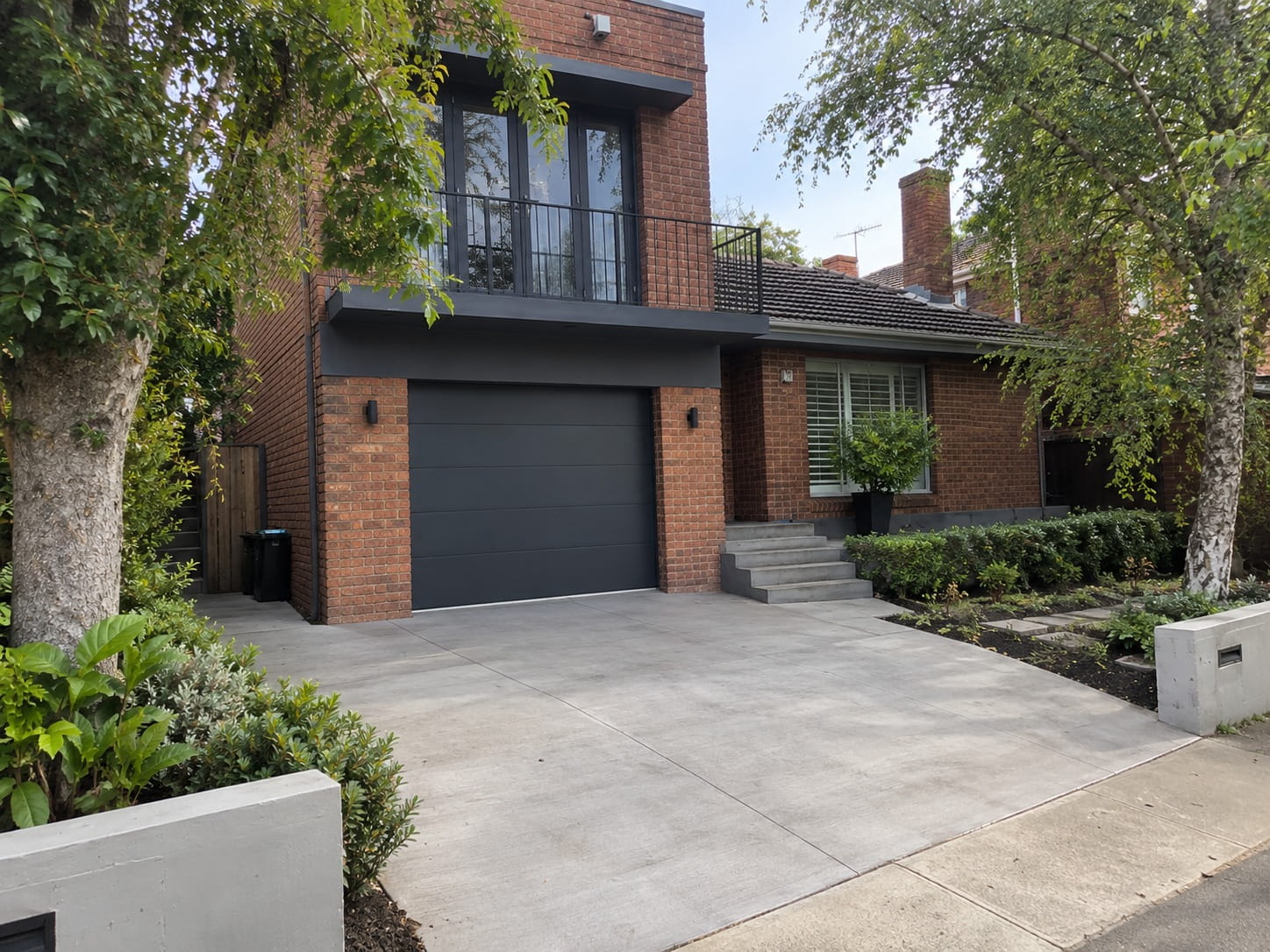 Driveways
 Concrete driveway
Poured for the grade, the clay and the frost — the surface most Hobart properties end up needing.
Read more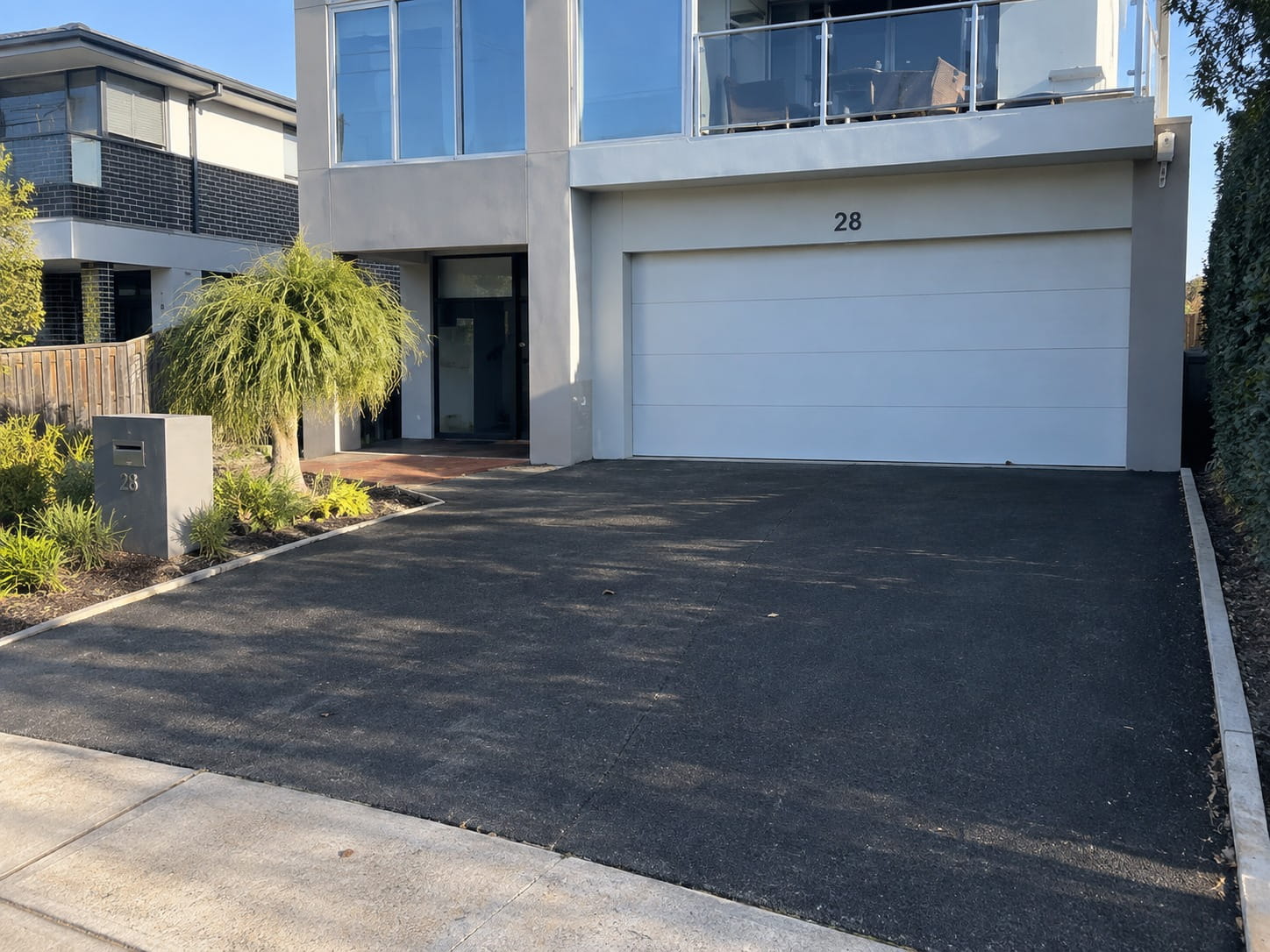 Asphalt
 Asphalt driveway
Quicker to lay and open to traffic the next day, where a site cannot sit closed for a week.
Read more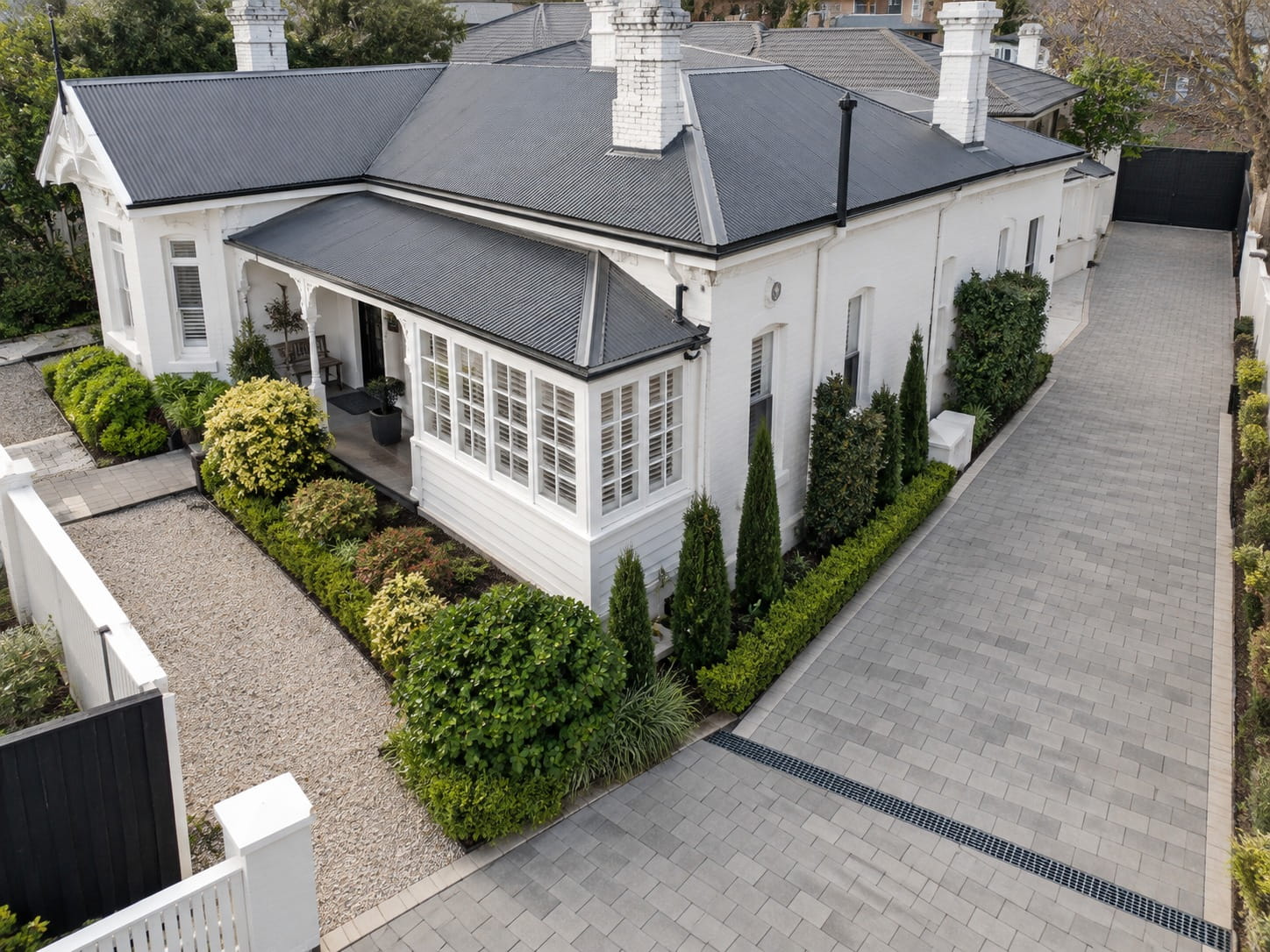 Pavers
 Concrete pavers
Individual units that flex with moving ground, and lift out one at a time if one ever cracks.
Read more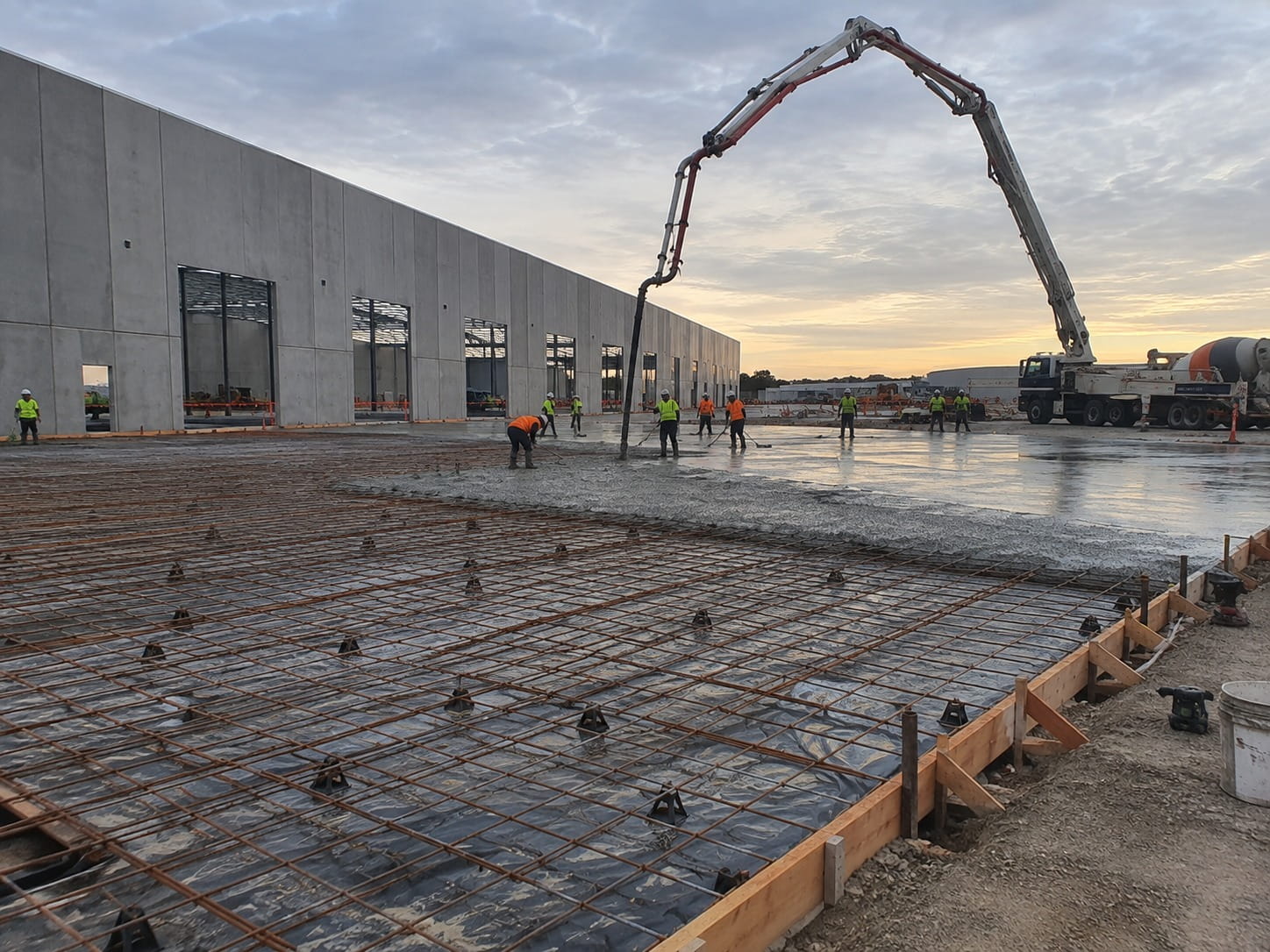 Layers
 Concrete layers
Base, membrane, reinforcing and pour — the layers underneath that decide how long the top lasts.
Read more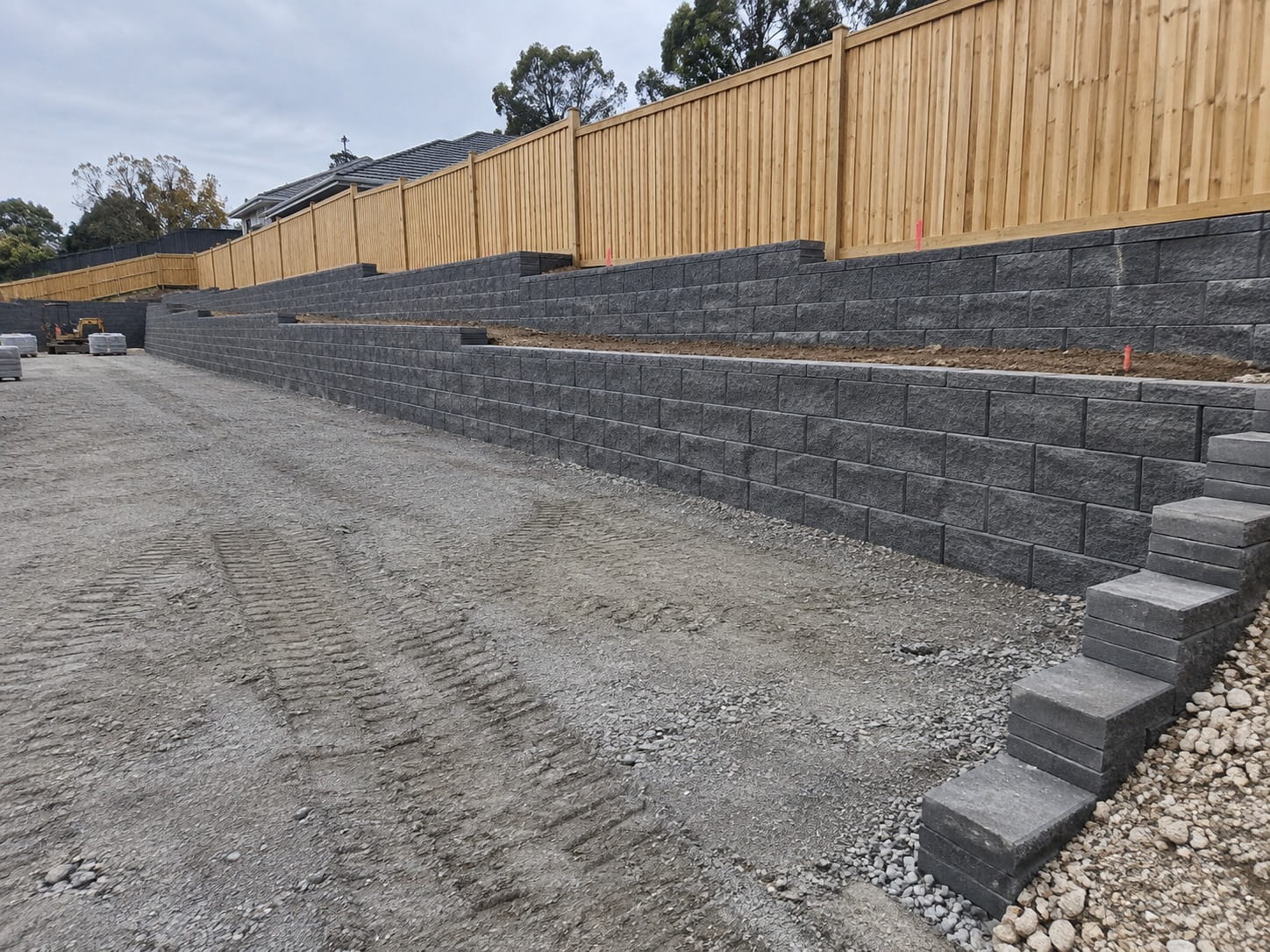 Retaining
 Retaining walls
Drained and reinforced for the load behind them — what turns a steep bank into usable ground.
Read more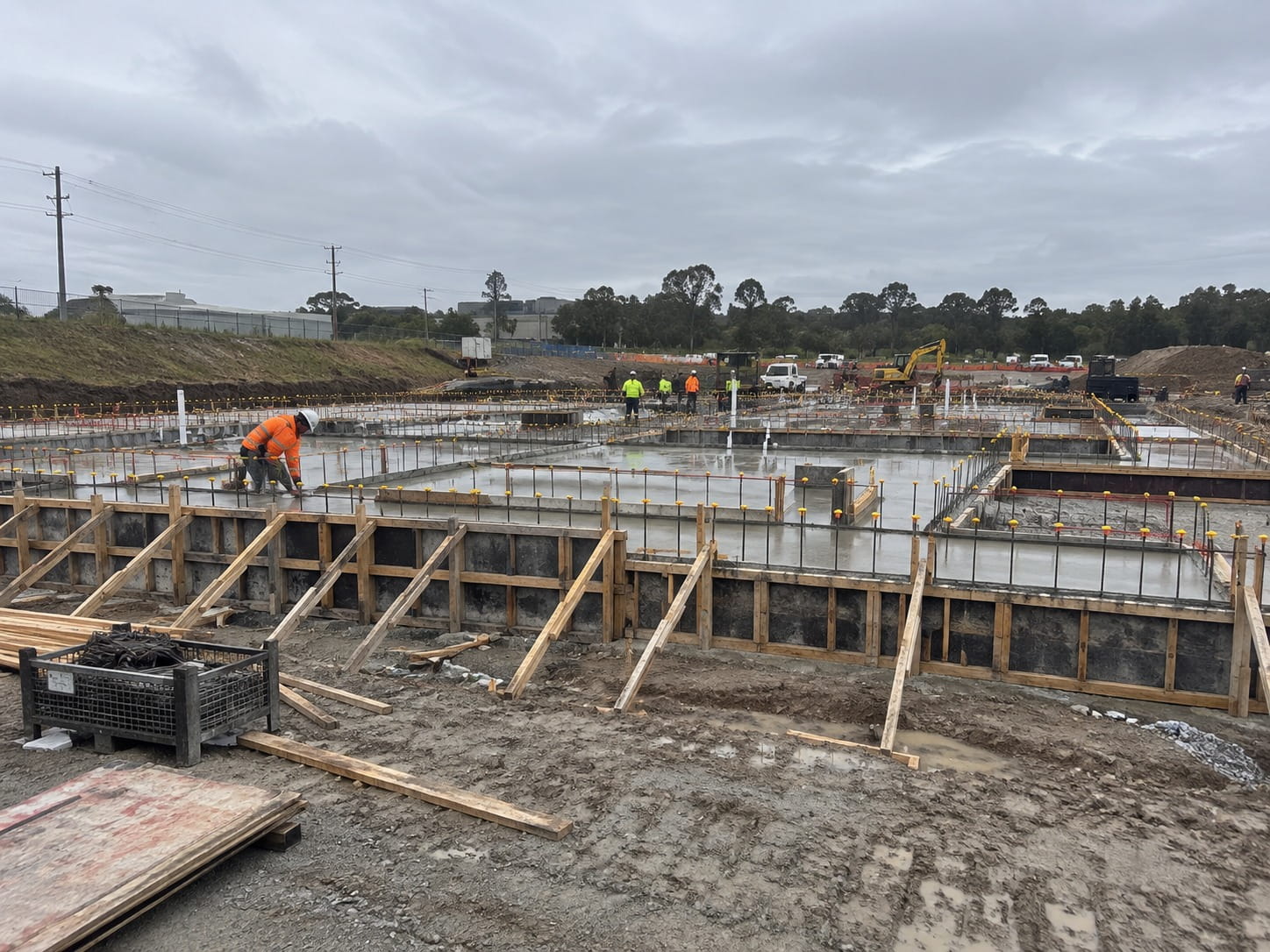 Foundations
 Concrete foundations
Footings and slabs built to the soil report, on ground that moves more than most.
Read moreTransforming Homes With Exposed Aggregate Concreting Experts in Hobart
Few finishes change a property the way exposed aggregate does. Washing the surface back to reveal the stone inside the mix brings genuine texture, depth and character to driveways, patios, pool surrounds and paths — turning a flat grey slab into a feature that lifts how the whole place reads from the gate.


Beyond the look, it is one of the most practical choices in Hobart. The raised stone grips when wet or frosty, which matters more here than almost anywhere given how many Hobart driveways run on a grade, and it stands up to winter weather and summer sun far better than a smooth trowelled or painted surface. It also hides the marks a working driveway picks up, so it keeps looking right with very little upkeep.
Explore exposed aggregatePopular Concrete Finishes in Hobart
The surface treatments Hobart homeowners ask for most — chosen for grip on a slope and for how they hold up through frosty winters and summer sun.
 Stamped
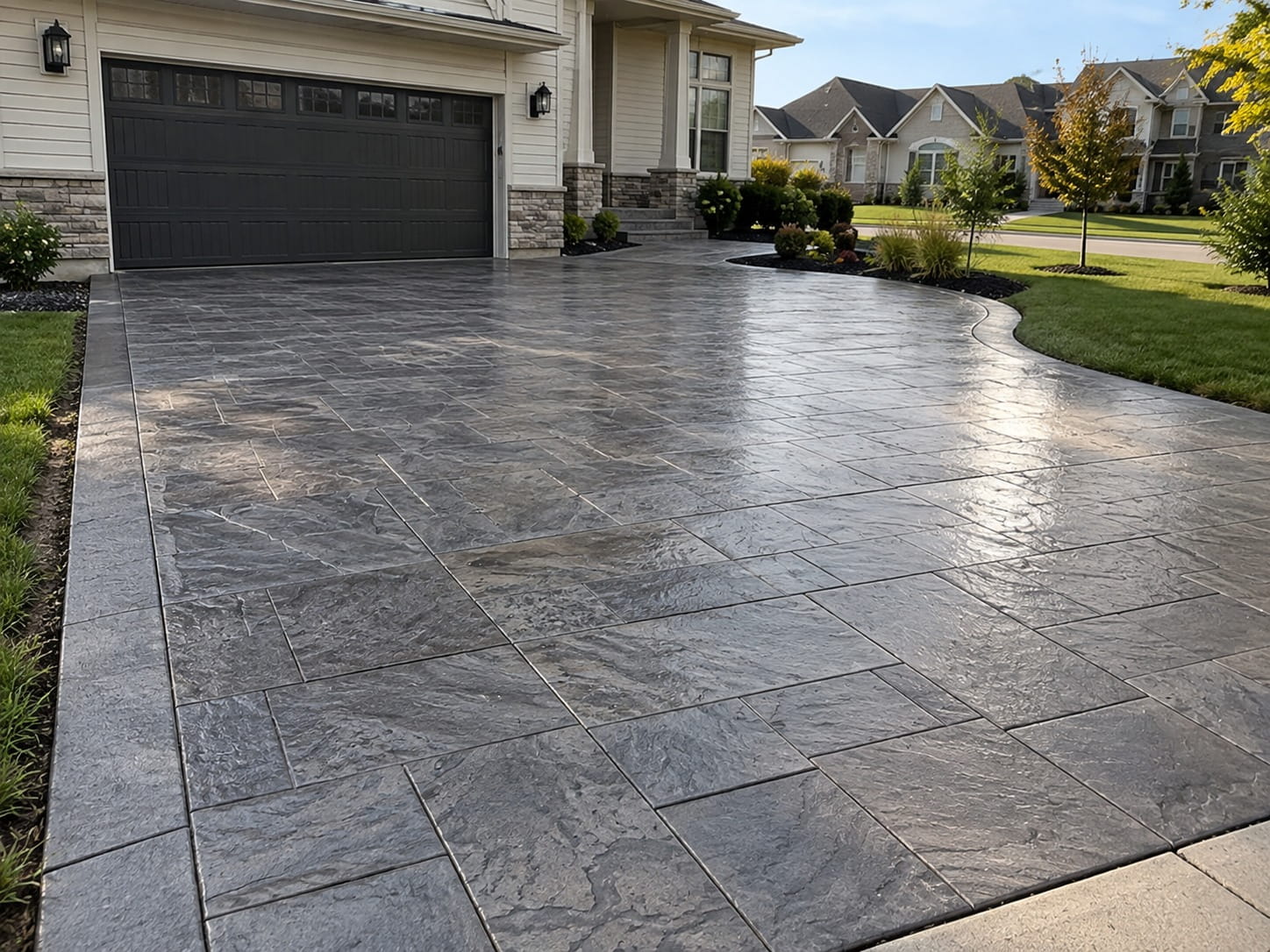
 Stamped concrete
Stone, slate and brick patterns pressed into the pour, then sealed against sun and frost.
Read more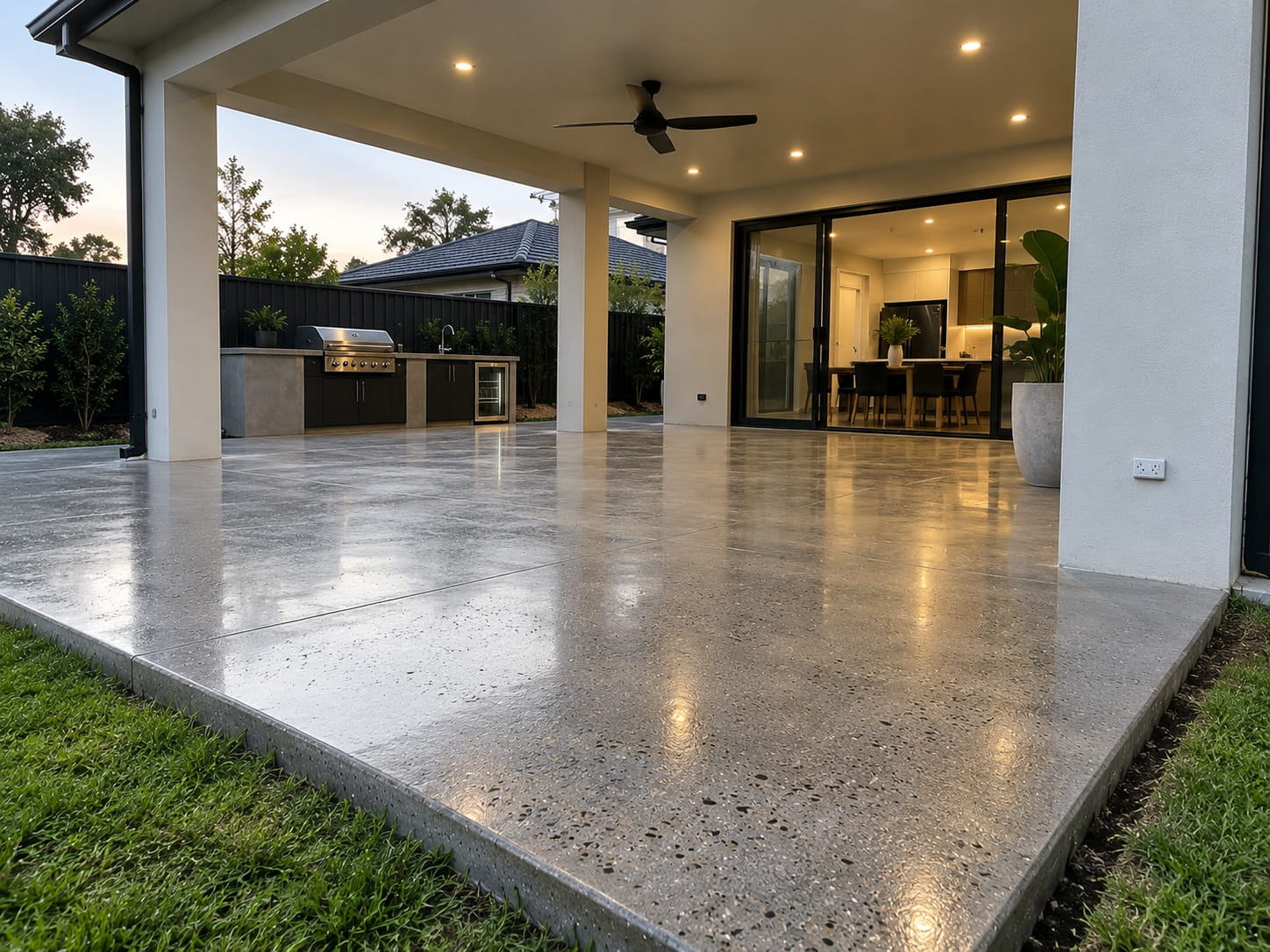 Polished
 Polished concrete
Ground back through finer diamonds to a sheen that cleans easily and never needs recoating.
Read more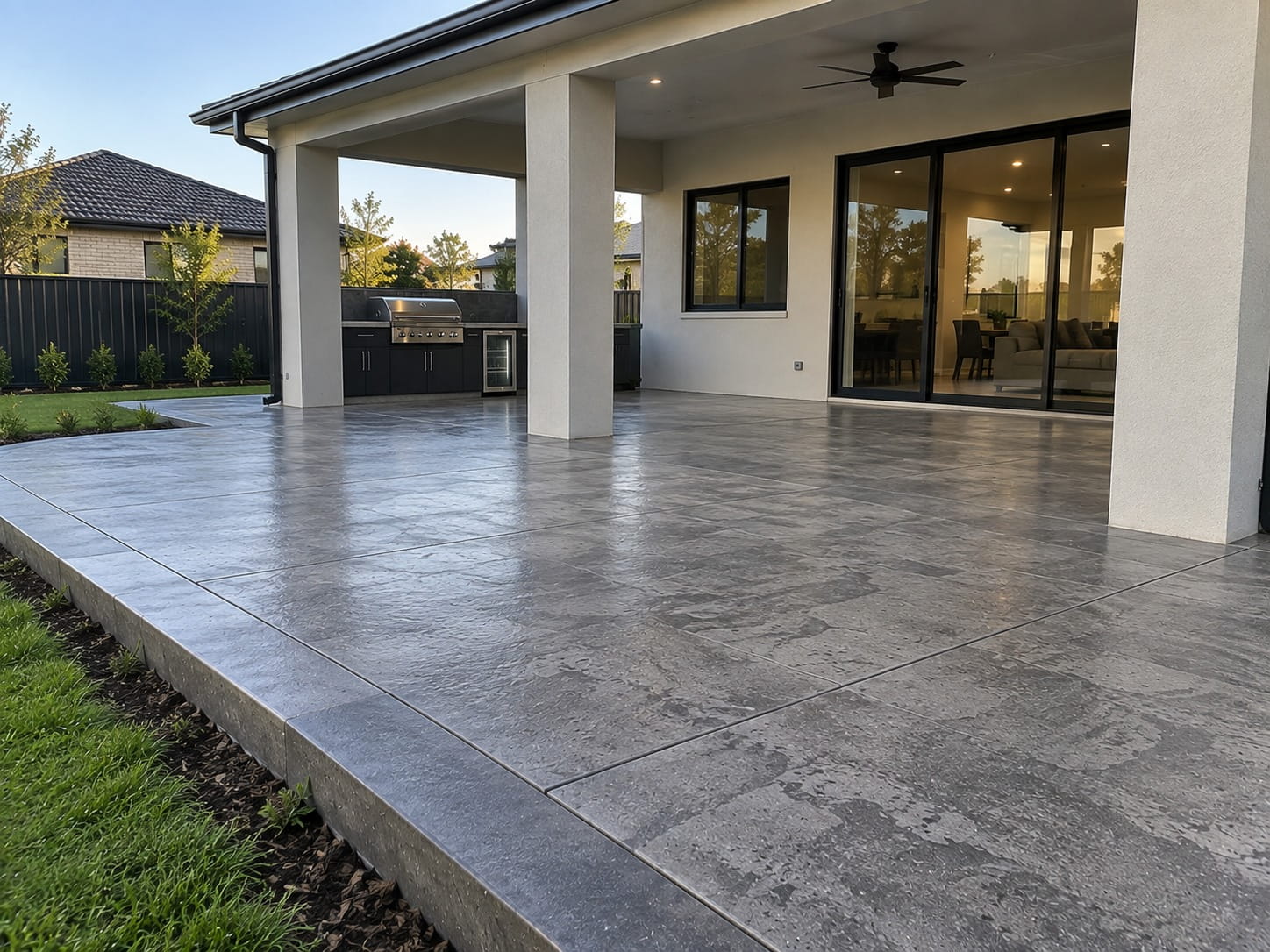 Resurfacing
 Concrete resurfacing
A bonded overlay over a slab that is still sound — a fraction of the cost of breaking it out.
Read more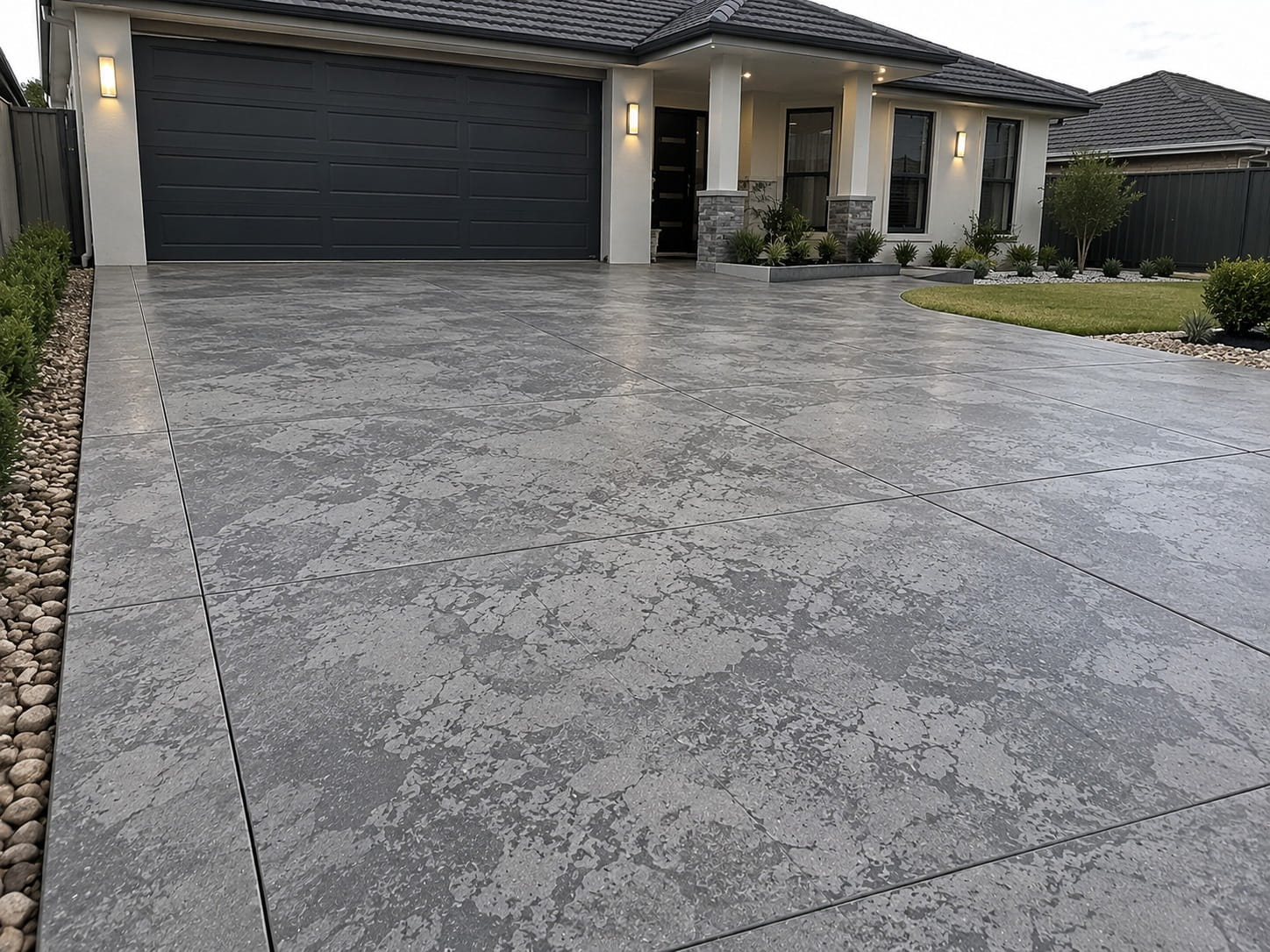 Overlay
 Concrete overlay
Toppings that change both the look and the level of concrete that is already there.
Read more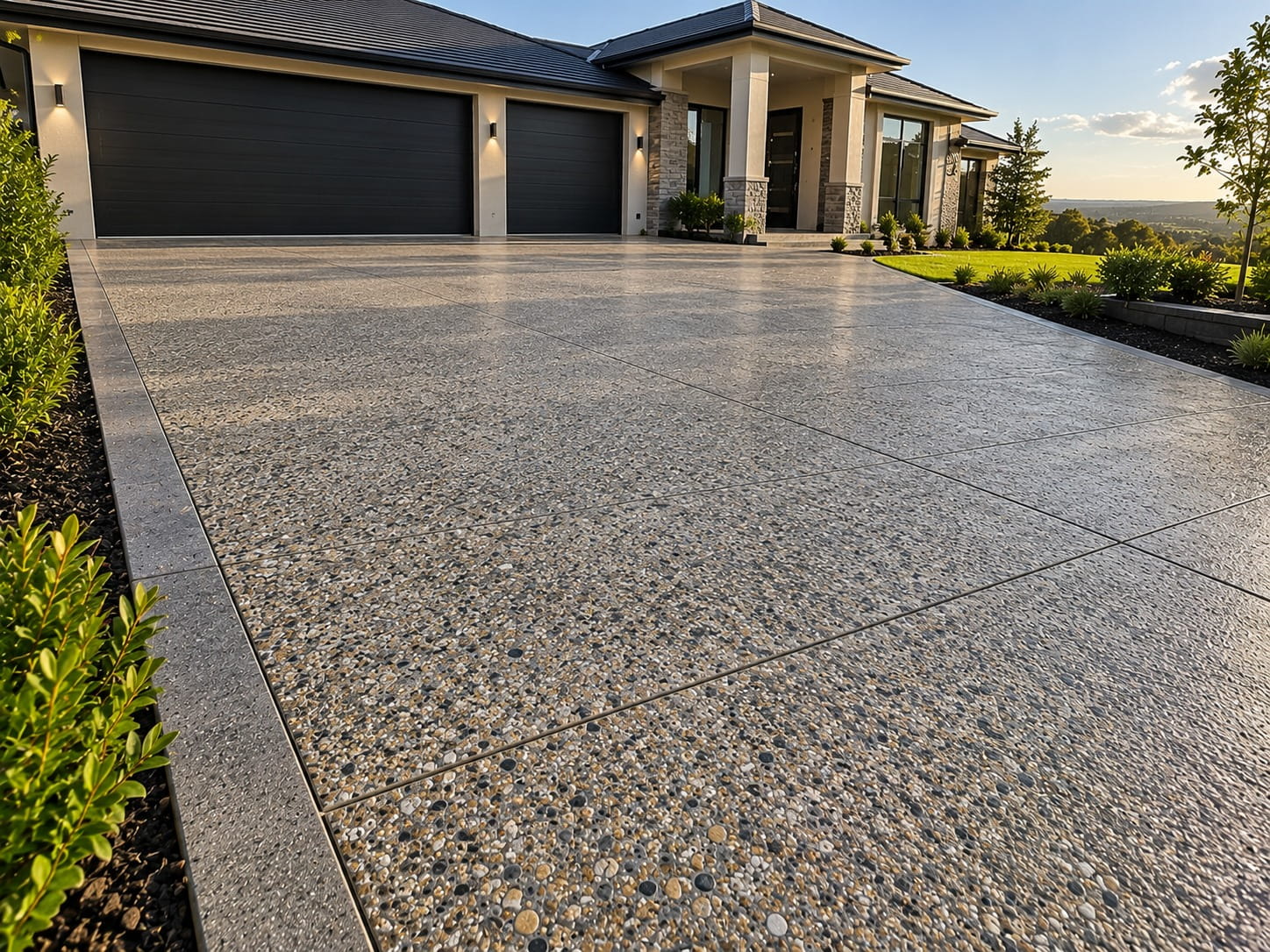 Aggregate
 Exposed aggregate
Stone washed back to the surface for grip on a slope, and it hides wear better than plain grey.
Read more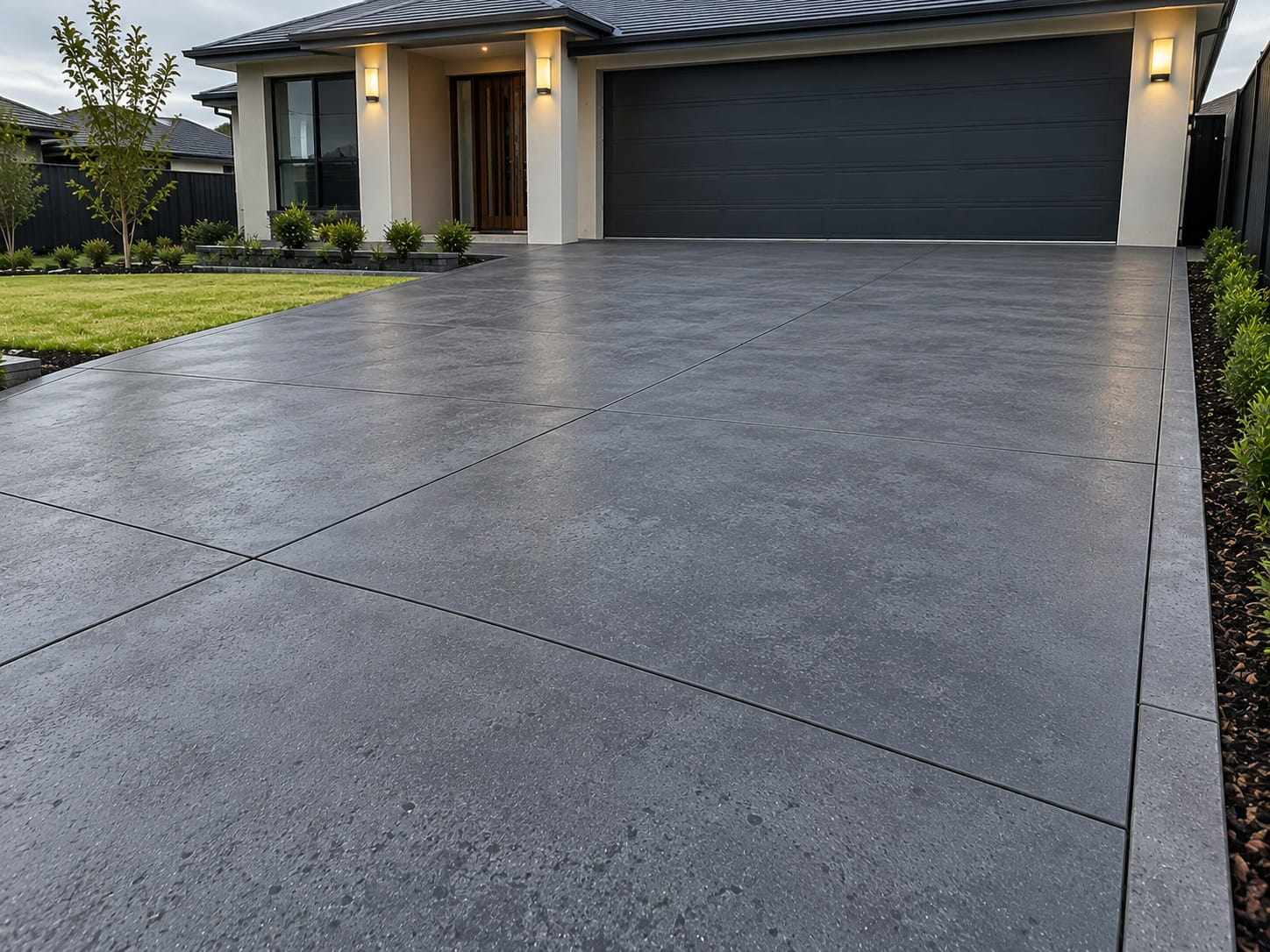 Coloured
 Coloured concrete
Colour through the mix or worked into the surface, matched to the house rather than guessed at.
Read morePolished Concrete Floors in Hobart — Living Areas, Kitchens, Warehouses and More
Most slabs have a far better floor hiding underneath them. We grind tired, stained or patchy concrete back to reveal the stone in the mix, then densify and polish it in stages to the sheen you want. The same process works in a family living room beside the fire, an open-plan kitchen and dining area, or a warehouse floor that has to stand up to forklifts every day.


Part of the appeal is practicality. A polished slab soaks up winter sun and works well with in-slab heating, which counts for a lot through a Hobart winter. It does not trap dust or allergens the way carpet does, it wipes clean in minutes, and it shrugs off heavy traffic. If you would rather have less shine, the same floor can be finished to a softer, honed matte instead.
Explore polished concreteExcavation and Earthworks
Clearing what is already there, with the broken-out material carted away and the tip fees shown on the quote.
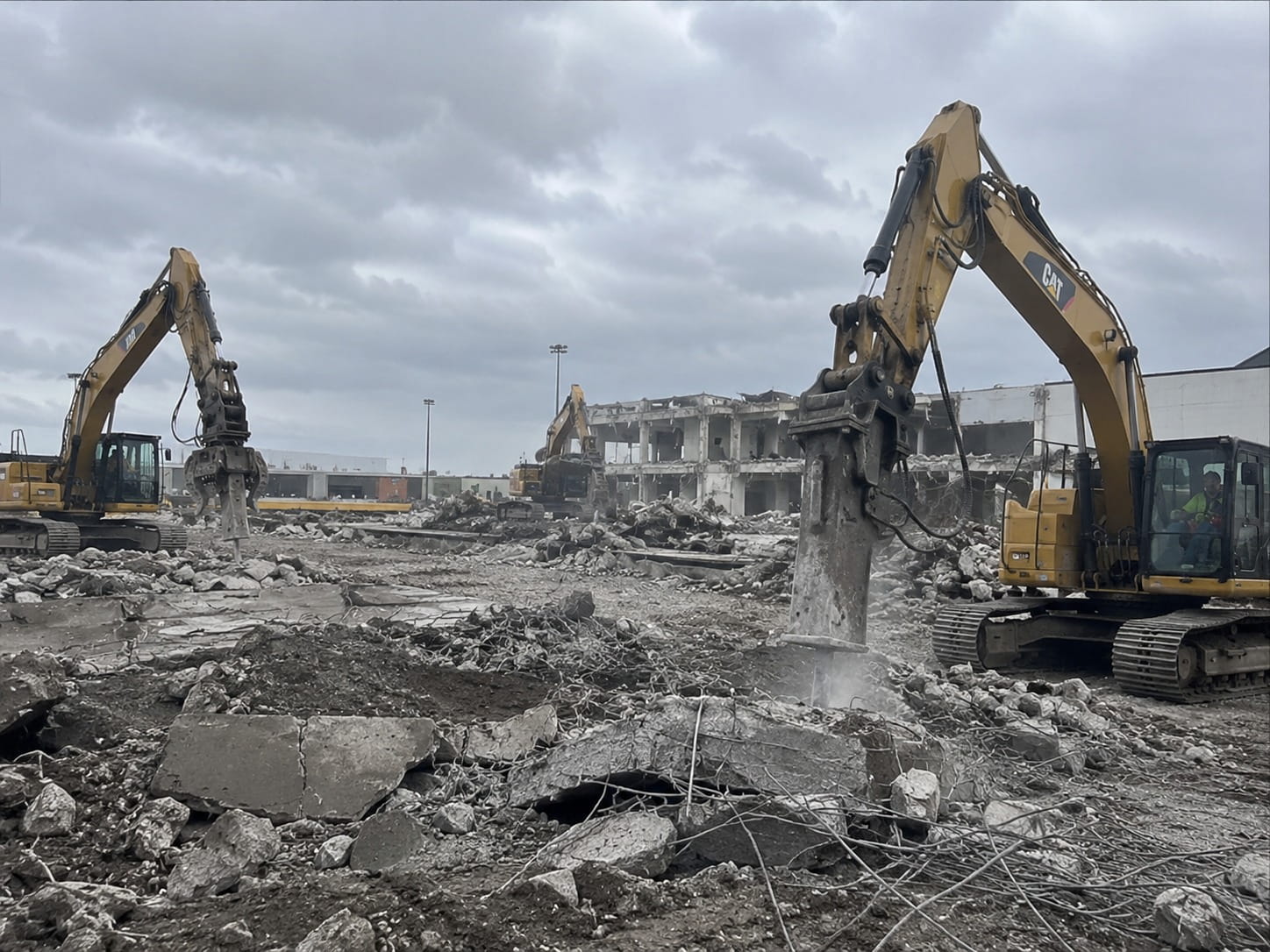 Demolition
 Concrete demolition
Breaking out old work with plant sized for tight inner-suburb access and close neighbours.
Read more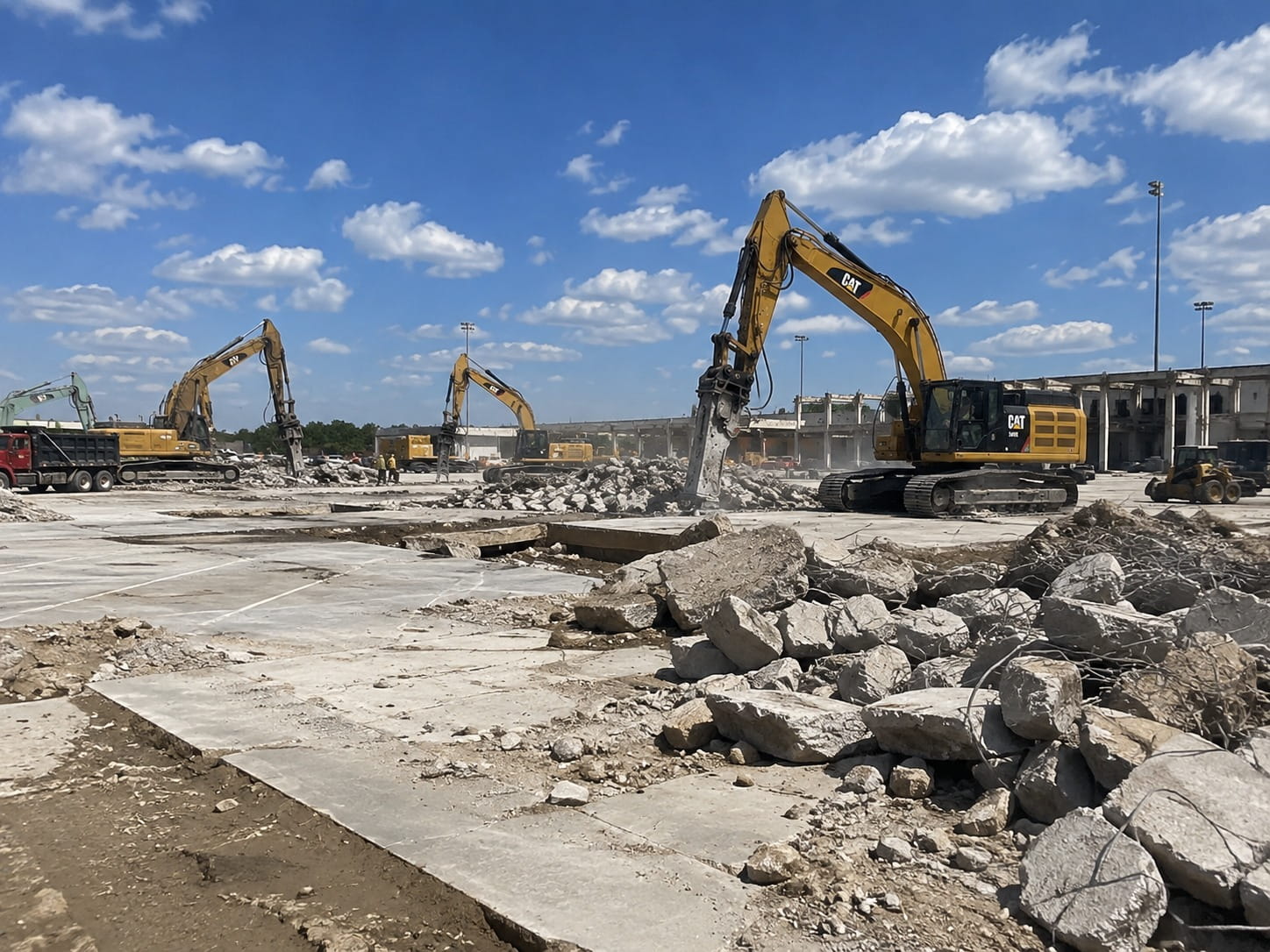 Removal
 Concrete removal
Broken-out material carted off the property and disposed of properly, with the site left level.
Read more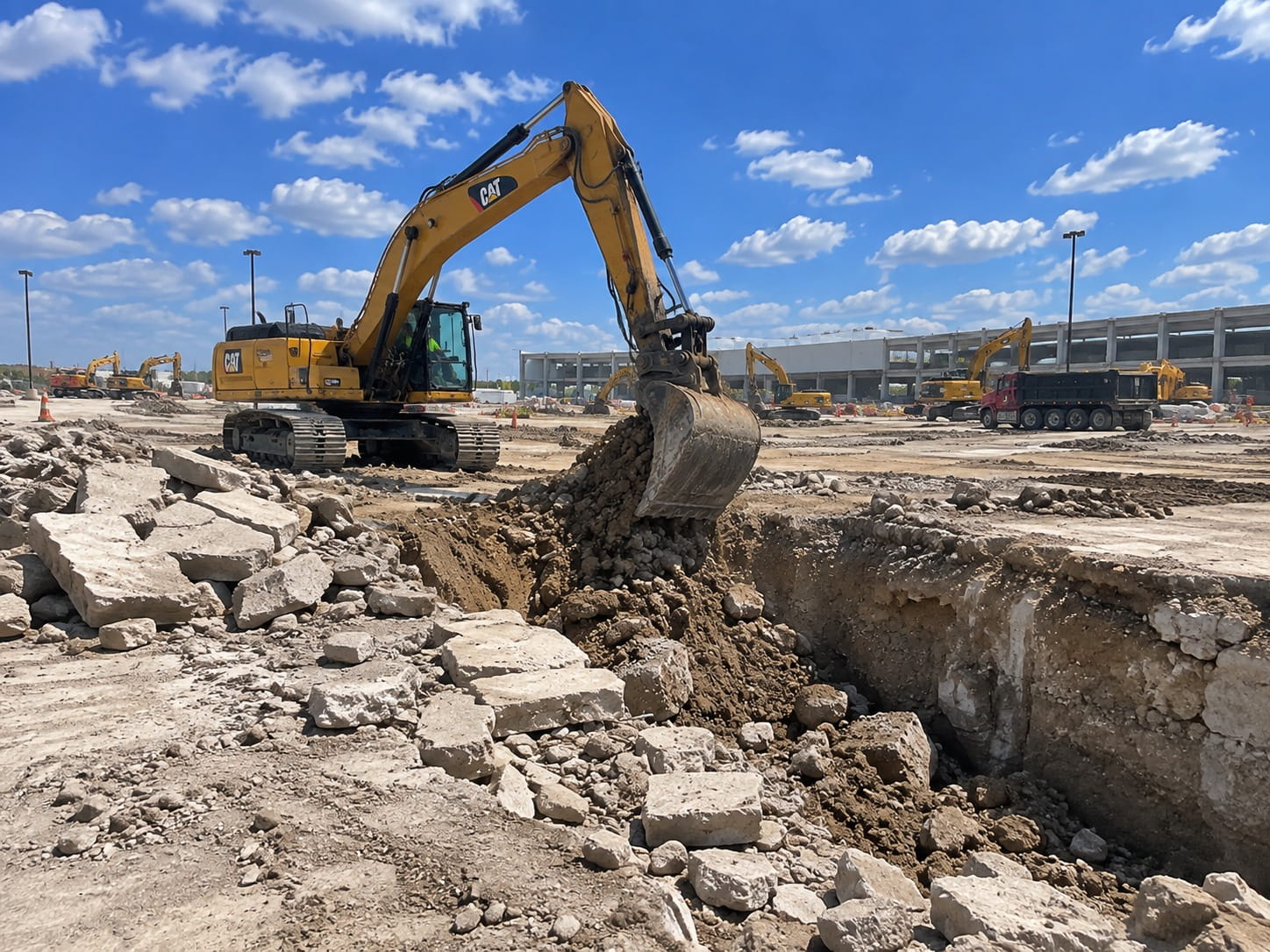 Excavation
 Excavation
Cutting level platforms out of sloping ground, and getting the spoil off the property.
Read more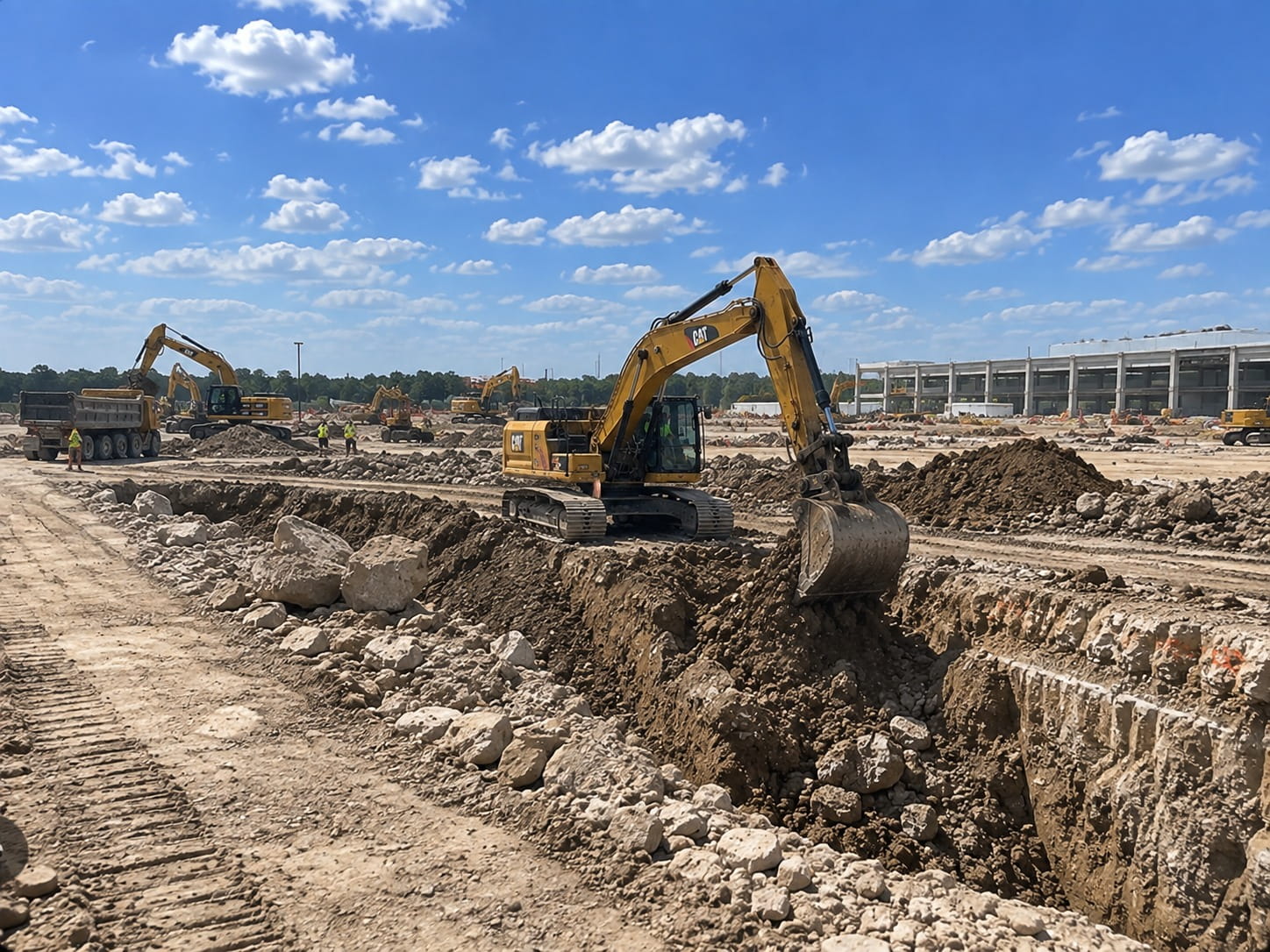 Digging
 Digging
Post holes, pier holes and tank excavations — by hand where no machine can reach.
Read more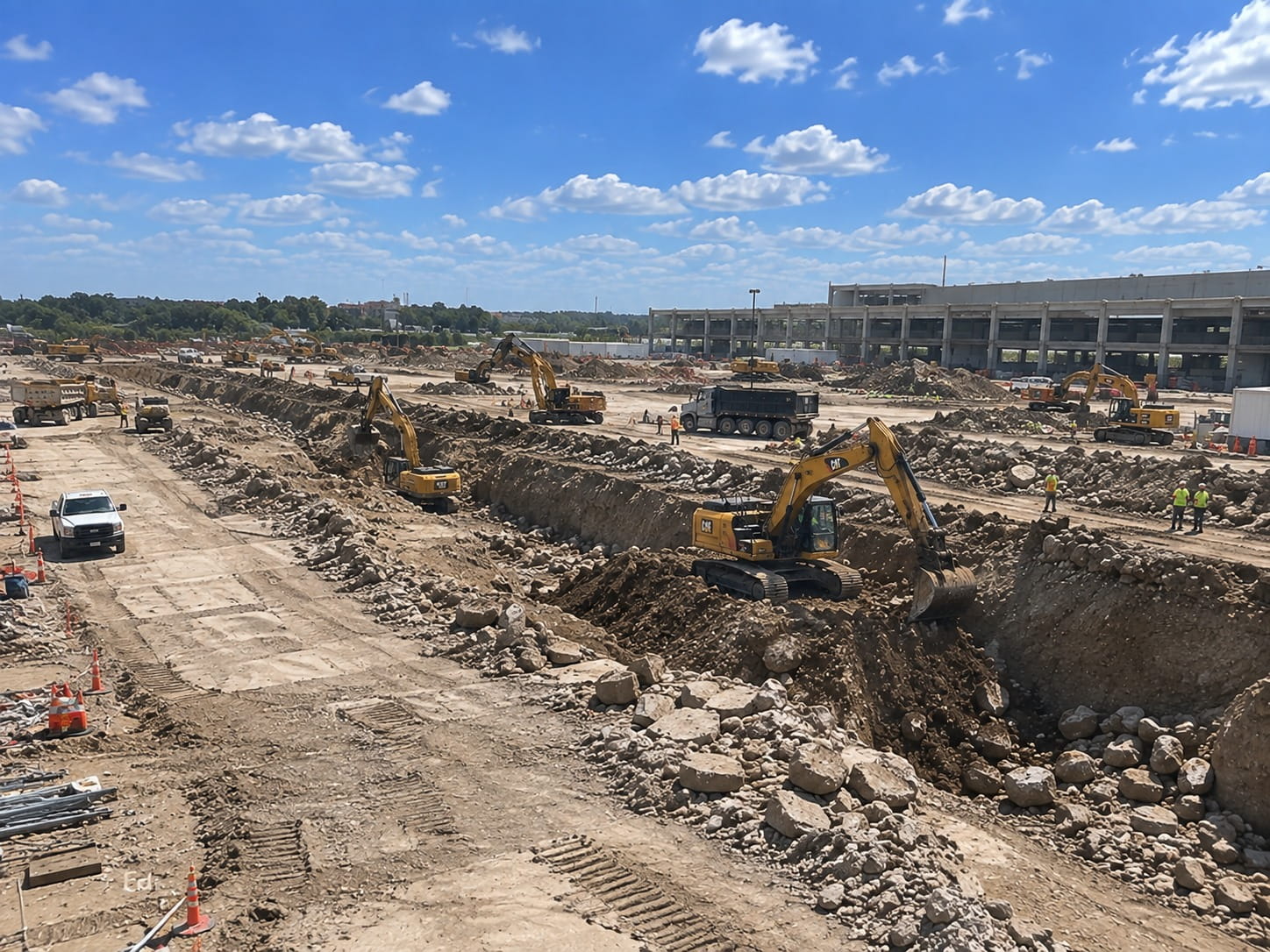 Trenching
 Trenching
Drainage, water and power runs dug to grade, backfilled and reinstated properly.
Read moreHow A Hobart Concrete Job Runs
No cost and no obligation. Here is how a job actually runs from first call to first pour.
Get your estimate
Send through your address and what you are planning. We come back with a ballpark and a time to visit — we do not price a site we have not stood on.
We weigh the factors
On site we check the grade, the soil, where water currently runs, and whether a loaded truck can physically reach the pour.
Thorough inspection
You get a written quote itemising the work, the materials, and the cartage and tip fees separately, so nothing about the figure is a mystery.
Concept, budget, build
Once you are happy, we sort any council crossover requirements and lock a pour date — then excavate, prepare, reinforce, pour and cure.
What To Look For In A Hobart Concrete Contractor
They Know What Is Under The Grass
Reactive clay runs through most of Hobart, and it moves as moisture changes through the year. A contractor who has poured here reads the ground before quoting, digs to a depth that suits it, and specifies reinforcing against what they found rather than reaching for a standard detail that works on flat, stable soil.
They Plan Around The Weather
Hobart winters bring frosty mornings, long wet spells and concrete that cures slowly in the cold. A contractor who pours here regularly watches the forecast, adjusts the mix and protects fresh work overnight, and gives you a pour date they can actually hold rather than one that quietly slides by a fortnight.
They Check Access Before Quoting
Shared right of ways, narrow frontages and steep approaches decide how a pour is physically delivered, and they can change the labour cost considerably. The answer should be settled at the site visit, not discovered on the day the truck cannot get up your drive.
The Quote Itemises The Site Costs
Cartage, tip fees, rock breaking and any pumping or barrowing should appear as their own lines, not be folded into a single number. That way you can see what relates to the concrete itself and what relates to getting material onto your block and the old material off it.
They Build For Water, Not Just For Load
Hillside blocks send a lot of runoff downhill in a wet Hobart winter, and water sitting under or against a slab is what undermines it. Proper falls, drainage at the low points, a well-compacted crushed rock base and enough cover over the steel are what separate a slab that still looks right in ten years from one that starts cracking in three.
You Can Go And Look At Their Work
A contractor who has worked around Greater Hobart for a while has finished jobs you can drive past and people who will talk about how it went. Ask for addresses rather than photographs, and ask how the work has held up after a few winters rather than how it looked the week it was poured.
What Hobart Locals Say About Working With Us
Feedback from property owners across Greater Hobart — from steep hillside driveways and tight inner-suburb access to shed slabs and commercial hardstand.
Really happy with how the driveway turned out. Clear quote up front and the price did not move.
Tidy job on our retaining wall, and they turned up when they said they would. That counts for a lot.
Quote came back the next day and the pavers look great. Would happily use them again.
Our old drive was cracked through. They resurfaced it rather than pushing a full replacement.
Professional the whole way through. Talked us through the foundation work before anything started.
The patio has completely changed how we use the back of the house. Very pleased with it.
Good communication and no surprise costs. The exposed aggregate came out just as we pictured.
They worked around our opening hours so we never lost access to the car park. Much appreciated.
We were unsure about the coloured finish but it suits the house better than we expected.
Needed a wall sorted after the bank slipped. They came out quickly and did it properly.
Polite crew and they left the site clean, which you do not always get. Drive looks smart.
Got three quotes and theirs was the most straightforward. The shed slab came out solid.
Concrete Works in Hobart


Frequently Asked Questions
Straight answers on what concrete costs in Hobart, how cold winters affect curing, which finishes suit a sloping block, and how long before you can park on it.
We do the groundwork as well as the pour, and on most Hobart sites the groundwork is where the job is won or lost. That covers excavation, carting off unsuitable material, levelling, compaction, drainage, and laying a crushed rock base. Reactive clay is common across greater Hobart and it swells and shrinks as moisture changes through the year, so a slab laid straight onto it will move eventually. On the hillside suburbs we also run into dolerite rock close to the surface, which can mean a rock breaker rather than a bucket. We dig to a depth that suits the ground we actually find, build a compacted base, and set up drainage that carries water away from the slab.
Size and finish set the baseline, but a few site factors move the figure more than people expect. Slope is the big one: a steep Hobart block often needs more excavation, retaining or edge beams, and a textured finish for grip. Ground conditions matter too, since reactive clay may call for a deeper base and dolerite rock slows digging right down. Access decides whether a truck can back up your drive or whether the pour has to be pumped or barrowed in, which is common in older suburbs with narrow side paths. Removing an old surface adds cost as well. We quote after a site visit and itemise the job so you can see where the money goes.
Driveways are the bulk of our work, but we cover the full range across residential, commercial and light industrial jobs: patios, paths and footpaths, house and shed slabs, footings, retaining walls, kerbing, pavers, car parks and hardstand, plus repairs, resurfacing and decorative finishes. We also handle the stages either side of the pour, from excavation and site preparation at the front through to breaking out and carting away old concrete where something needs replacing. If you are unsure whether a tired surface needs full replacement or just resurfacing, we will tell you honestly which one your slab actually warrants.
We work across greater Hobart, from the inner suburbs like Sandy Bay, Battery Point, North Hobart, West Hobart, New Town and Lenah Valley through to the Eastern Shore, including Bellerive, Lindisfarne, Rosny and Howrah. We also cover the northern suburbs such as Moonah and Glenorchy, and south towards Taroona, Kingston and Blackmans Bay. Availability for outlying areas can depend on the size of the project and the schedule at the time. Contact us with your property address and a brief description of the project, and we can confirm timing and arrange a site visit.
Yes. Car parks, forecourts, loading and turning areas, workshop and warehouse floors, yards and equipment pads are all regular work for us. Commercial jobs get specified differently from residential ones, because heavier loading means thicker slabs and more reinforcement, and the surface has to stay safe underfoot and under tyres in the wet. These jobs are usually built to an engineer’s design and in line with AS 3600 where it applies. There is often a scheduling dimension as well, since shops, cafés and workshops cannot afford to lose access for long. Where it helps, we stage the work so part of the site keeps operating while the rest is poured and cured.
A broom finish is the practical default: affordable, hard-wearing, and it holds grip when wet. Exposed aggregate costs more but grips better again and hides wear, which is why it is a popular pick for steeper drives and around pools. Coloured and stamped finishes give you the most control over appearance, and suit properties where the driveway is part of how the house presents from the street. On a sloping Hobart block we would steer you away from a smooth trowelled surface altogether, since it turns slick in the wet and dangerous on a frosty winter morning. We can show you finished examples and recommend what suits your grade and exposure.
Concrete stiffens within hours but keeps gaining strength for weeks afterwards. As a rule, careful foot traffic is fine after twenty-four to forty-eight hours, and vehicles should stay off a new driveway for about seven days. Full design strength arrives at around twenty-eight days. Cold weather slows all of that down, and a Hobart winter pour with overnight frosts will stretch the timeline further than a summer one. Curing matters as much as the mix does, since a slab that dries too quickly or gets frost damage early will suffer, so we manage it deliberately and give you aftercare specific to your pour and the weather it went down in.
Yes, and it is often a bigger part of the job than it sounds. We break up the existing driveway, path, patio or slab, load and cart it away, dig out any base material that is no longer sound, and rebuild a compacted foundation ready for the new pour. Cost is driven by thickness, whether the old slab was reinforced, how close machinery can get to it, and the volume going to the tip or recycler. On older properties with tight access, smaller machines and more handwork may be needed, which is why we itemise removal and disposal separately rather than folding it into one figure.
Ready to get a free estimate?
Send us the address and what you are planning — we'll arrange a site visit.