Hobart Concrete Layers
Call 00 000 0999Concrete Layers in Hobart
Finding reliable concrete layers in Hobart can feel difficult when every job needs to be done properly the first time. Our team of experienced concrete layers in Hobart takes care of residential, commercial and civil projects with skill, honesty and attention to detail. Whether you are building a home, extending a shed or upgrading your backyard, our company has the knowledge to get your concrete laid correctly and on schedule.
You will find us easy to deal with. We turn up when we say we will, explain each stage in plain language and work cleanly on your property. Our crew understands Tasmanian soils, slopes and weather, so we prepare, form, pour and finish to a standard that lasts. We stand behind our work and treat your project as if it were our own. Call us today for a free quote.
Professional Concrete Layers in Hobart
Residential Concrete Laying
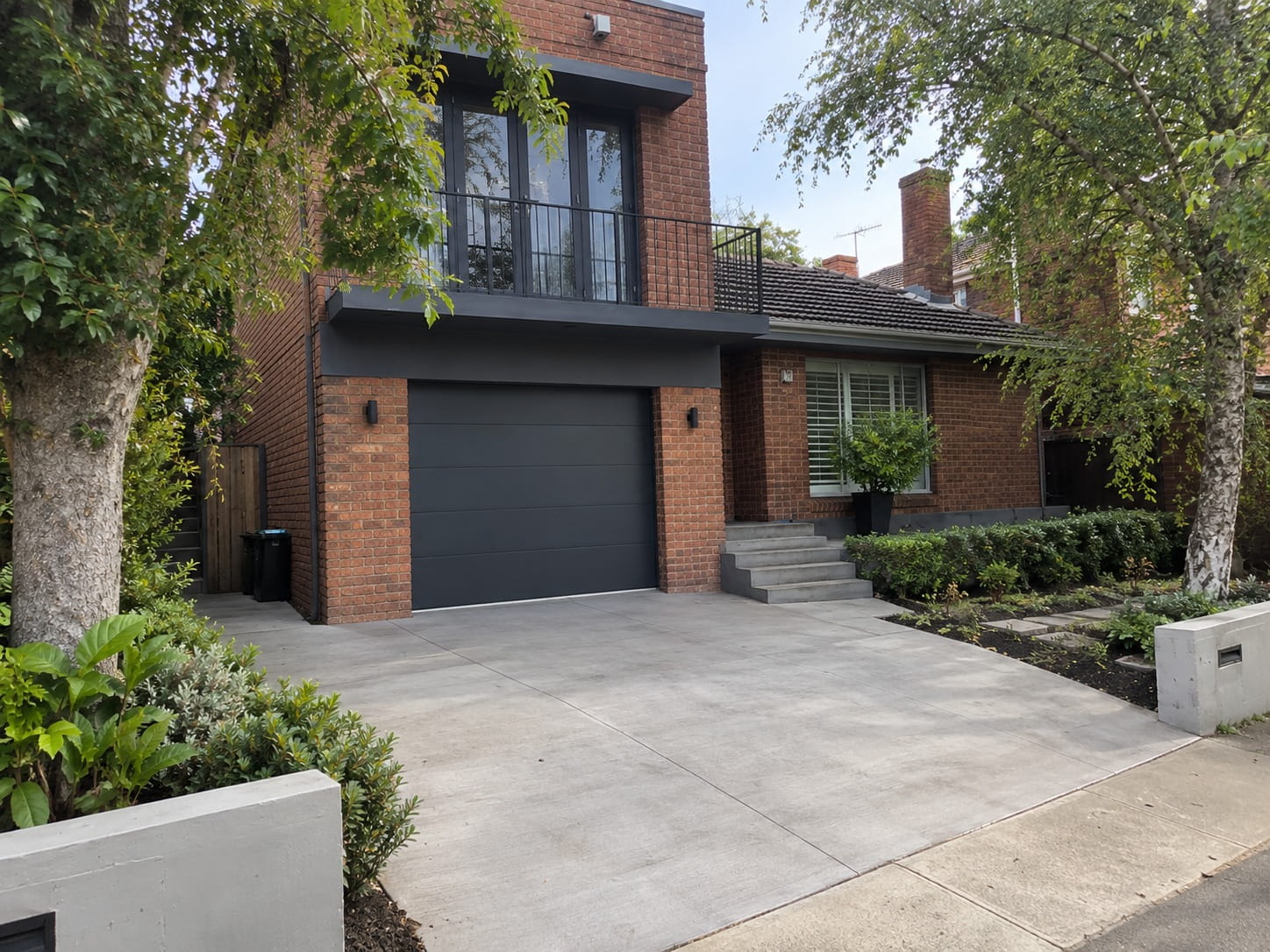
Experienced concrete layers for home slabs, paths, patios and driveways, working to your plans and delivering clean edges, accurate levels and a hard wearing finish that suits your property. We take pride in neat finishes you will enjoy for years.
Commercial and Civil Concrete Work
Footpaths, kerbs, slabs and pavements for builders, councils and developers, laid to specification and programmed carefully so your project keeps moving and meets inspection requirements. That includes coordinating with your builder, ordering the right concrete mix and arriving on time.
Formwork and Setting Out
Accurate formwork, string lines and levels established before any concrete arrives, which is where good slabs are won and why our finished surfaces are straight, square and well drained. Good setting out saves time, reduces waste and prevents rework later.
Reinforcement and Preparation
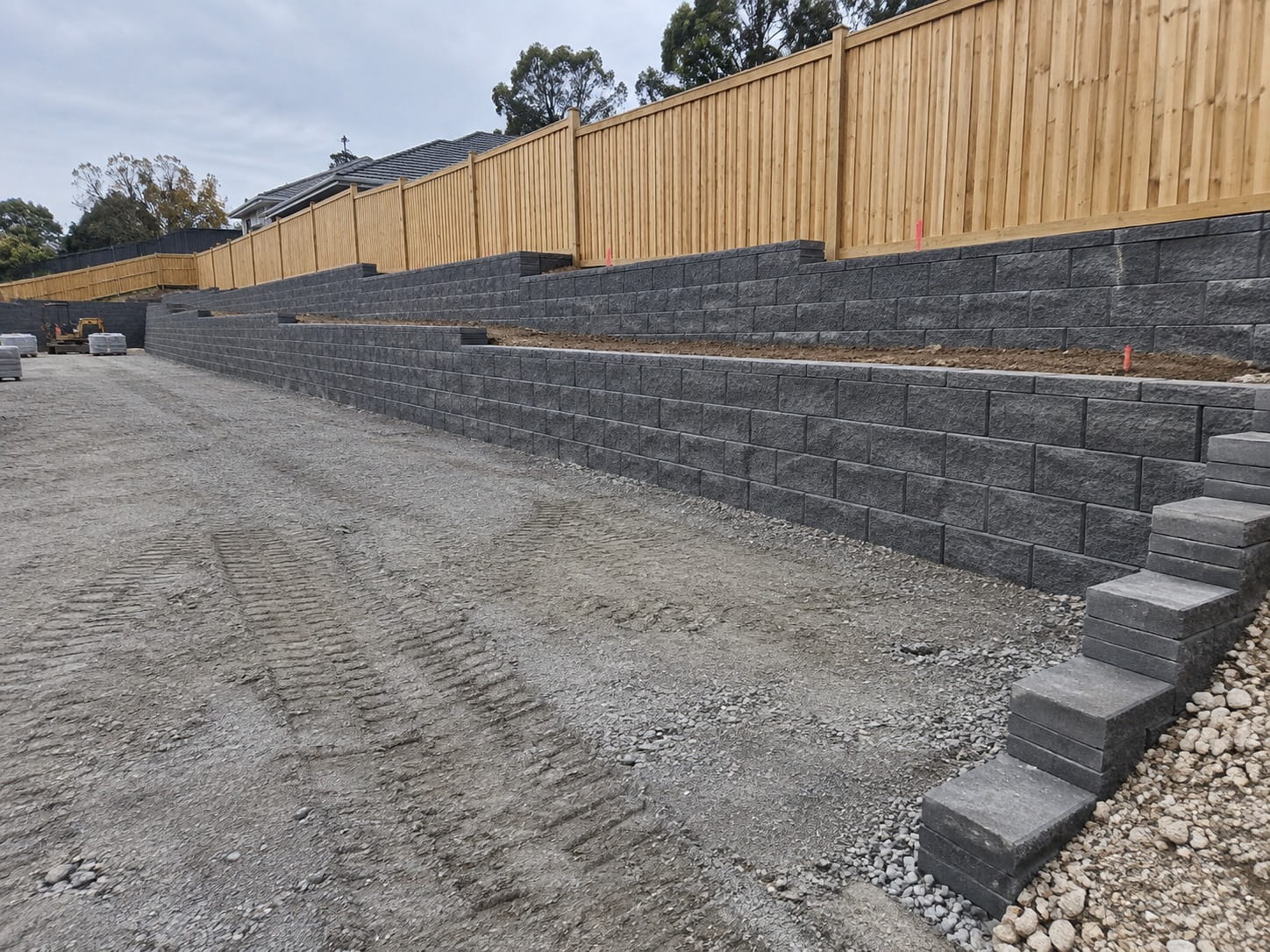
Compacted bases, mesh, bars and moisture barriers placed to the plans, so the concrete has the support it needs to resist cracking and movement on Hobart's varied soils and slopes. Good preparation keeps slabs flat and solid for many decades.
Pouring, Finishing and Curing
Skilled placement, screeding and finishing at the right time, followed by proper curing, which protects strength and surface quality even when a cold Tasmanian morning threatens to slow things down. We watch temperature and moisture to protect the concrete's strength.
Small Jobs and Ongoing Work
Reliable help with sheds, steps, pads and repairs as well as large projects, so you can call one trusted team whenever you need concrete laid properly. Small pad or large slab, you get the same careful attention every single time.

Concrete Layers Hobart: 3 Ways To Get Started
Looking for reliable concrete layers in Hobart? Whether you are building new or fixing old, getting started with our team is straightforward and there is no pressure to commit.
- Call us directly: Describe your project and we will tell you honestly how we would approach it and what it will cost.
- Book a free site visit: We look at your access, soil and levels so your quote reflects the real conditions.
- Share your plans: Send drawings, photos or a rough sketch and we will confirm the details with you.
However you begin, you will deal directly with experienced concreters who turn up on time, explain every step and stand behind their work across Hobart. Large or small, every job gets the same care. Call us today for a free quote.
The Layers, In Order
Most of what we lay is residential — slabs, driveways, paths, patios and foundations for homes across Greater Hobart, on both new builds and older properties where the original surface has given up. Homeowners, builders and property managers all come to us, usually with the same underlying problems: ground that moves and blocks that are steep or hard to reach.
On a new build we work to the engineered drawings and around the rest of the programme, so the slab is ready when the framing crew is. On an existing property the job usually starts with working out why the old surface failed, because pouring a replacement onto the same base guarantees the same outcome a few winters later.
Shed, garage and workshop slabs are a steady part of the work. What changes between them is what ends up on top — a mower and some garden tools is a very different load from a vehicle on jacks or a bench full of machinery — so we size the thickness and the steel from the intended use rather than pouring everything the same.
Driveways and parking areas take the heaviest regular loading on most properties, and in Hobart they usually do it on a grade. Excavation depth, compaction, reinforcement position and where the water goes all matter more on a hillside block than they do on flat ground.
Patios and outdoor living areas are where the finish earns its keep, since people walk them barefoot and look at them daily. We talk through broom, exposed aggregate, honed, coloured and stamped options against the house and the amount of sun the area actually gets.
Smaller residential work — paths, entranceways, steps and pool surrounds — gets the same sequence, just at a smaller scale. These are also the jobs where truck, pump and cartage costs weigh heaviest per square metre, so we will often suggest combining several into one pour.
Commercial Laying We Take On
Commercial laying covers car parks, forecourts, loading areas, workshop floors, yards and hardstand for Hobart businesses, developers and property managers. The specification changes considerably, because delivery vehicles and standing plant put far more through a slab than a family car does.
Car Parks And Forecourts
Laid to falls that clear water properly, reinforced for repeated vehicle loading, with thickened sections where traffic concentrates at entries and turning points.
Warehouse And Workshop Floors
Flat, hard-wearing internal slabs with joint layout and surface tolerance planned around the equipment that will run over them.
Loading And Service Areas
Heavier specification for reversing trucks and standing loads, which punish a slab far more than passing traffic does.
Hardstand And Yards
Areas for plant, trailers and storage, built for point loading and the turning forces that break up an under-specified surface at the edges.
Hospitality And Retail Areas
Courtyards, terraces and approaches for Hobart cafes, shops and venues, finished for grip and appearance since customers walk them.
Staged Commercial Pours
Large areas laid in sections with properly detailed construction joints, so the site keeps operating and each pour stays a size the crew can finish well.
Plant And Equipment Pads
Level reinforced bases for tanks, compressors and fixed machinery, sized for operating weight and detailed against vibration.
Every commercial job gets assessed on its own terms: the traffic it will carry, the drainage the site needs, how the work can be staged so the business keeps trading, and how concrete supply and pumping are booked around the weather. We would rather plan that properly than start and discover it halfway.
Why The Order Matters
The reason we labour the point about sequence is that almost every failed slab we are called to look at failed underneath rather than on top. The concrete is usually fine. What went wrong was topsoil left in place, a base compacted in one deep lift instead of layers, drainage that was never installed, or mesh lying on the ground doing nothing.
Excavation removes topsoil, vegetation, soft spots and any old material that would compress under load. How deep we go depends on what we find, and on reactive clay that is often deeper than expected. The ground is then checked and compacted before a single load of crushed rock goes in.
Thickness and reinforcement have to suit the loads the surface will actually carry, which for a driveway means the heaviest vehicle rather than the usual one. Mesh or bar holds the slab together across any crack that forms, provided it sits at the correct height with enough cover over it.
Drainage gets planned before the pour so water leaves the surface and is not left sitting underneath it. The finish sets both the look and the grip underfoot, and curing decides whether the slab ever reaches the strength it was specified for.
When completed professionally, these steps help reduce:
- Cracking and uncontrolled surface movement
- Sections sinking where the ground beneath was never properly compacted
- Lippage and uneven levels that become trip hazards
- Water ponding because the falls were never set correctly
- Edges crumbling where vehicles run and support is weakest
- Surfaces failing years early and needing repair or replacement
How A Job Runs
Free Site Visit
We come out, check the ground, the levels and the access, and talk through what you are trying to achieve. No charge and no obligation.
Written Itemised Quote
Excavation, base, drainage, steel, concrete, pumping, cartage and finishing listed separately, so you can see exactly where the money goes.
Supply And Pump Booked
Volumes calculated and concrete supply and any pump locked in before we give you a pour date, which is why our dates hold rather than sliding.
Groundwork
Excavation, crushed rock base, drainage and formwork. The unglamorous stage that takes the most time and determines almost everything about the result.
Pour Day
Reinforcement checked, concrete placed and finished. Enough crew on site to work the whole area within the window the weather and the mix allow.
Cure, Joint And Hand Over
Joints cut, curing managed, forms stripped, site cleaned. You get clear guidance on when it can be walked on and driven on.
Why Choose Our Hobart Concrete Laying Experts
Good Concrete Starts Below
A slab is only as dependable as the ground and base beneath it. We put real effort into excavation, compaction and drainage, because that's what decides whether concrete stays sound or starts cracking early.
Designed For The Ground We Find
Hobart sites range from reactive clay to shallow dolerite rock. We set base depth, slab thickness and reinforcement once we've seen what's actually there, rather than applying the same detail to every job.
Steel Kept At Correct Depth
Reinforcement only works when it sits at the right height with enough concrete around it. We chair and space the steel carefully on every pour, because inadequate cover is a common shortcut that shortens a slab's life.
Pour Days We Can Keep
Frosty mornings and wet spells affect when concrete can go down. We plan pours around the forecast, book supply ahead and give you a date we're confident of meeting, not one that keeps slipping.
Right Crew Size On Pour Day
Once the trucks arrive, concrete has to be placed and finished before it starts to set. We bring enough experienced hands to cover the whole area properly, without rushing the final finish.
Each Stage Priced Separately
Excavation, base, membrane, steel and concrete each have their own line. That makes it easy to see the trade-offs and adjust the scope if needed, instead of guessing what a single total includes.
Concrete Works in Hobart


Concrete Laying FAQs
Common questions about concrete laying in Hobart — what the layers are, why base preparation matters on clay, reinforcement position, curing, and permits.
From the bottom up: the sub-grade, which is the natural ground once topsoil and unsuitable material have been removed; then a compacted base of crushed rock or road base that spreads load and gives a stable platform; then, where the slab is a floor, a vapour barrier or damp-proof membrane; then the reinforcement, held up on bar chairs so it sits within the slab rather than on the base; then the concrete itself. Each layer depends on the one beneath, which is why the sequence and the compaction matter as much as the concrete specification.
Because a lot of Hobart sits on reactive clay that swells when wet and shrinks when dry, and that movement is seasonal rather than one-off. A slab laid on inadequately prepared ground rides that movement and cracks. Proper excavation removes the material most affected, a compacted base spreads load so no single point takes it all, and drainage keeps the moisture content underneath more constant. On hillside blocks, uneven ground over dolerite rock adds another reason to get the formation level right. Get those basics right and the slab works with the ground rather than fighting it.
It depends on the ground and the load. On firm material under a footpath, a modest depth of well-compacted crushed rock may be enough. Under a driveway on soft clay, considerably more is needed, and on very poor ground you may need geotextile beneath the base to stop the rock pushing down into the sub-grade. The important principle is that it goes in and gets compacted in layers rather than in one deep lift, because a deep uncompacted layer will consolidate under load later. For house slabs, the engineer's design under AS 2870 will set the requirements.
For any slab that will be a floor inside a building, generally yes — without one, ground moisture rises through the concrete and causes problems with floor coverings, adhesives and indoor humidity. For external slabs like driveways and paths it's usually unnecessary, since moisture moving through isn't causing anyone a problem. The critical thing where one is used is continuity: laps need to be generous and taped, penetrations sealed, and the sheet dressed up at the edges. A torn or badly lapped membrane provides very little benefit, so we check it before any concrete goes in.
Within the slab, not on the base beneath it. Reinforcement works by resisting tension, and mesh needs to be chaired up to the position shown in the design, commonly around the middle or upper part of a ground-bearing slab. Mesh lying on the base does very little structurally. It also needs adequate concrete cover on every face, which is what protects the steel from moisture and corrosion over the life of the slab, especially on exposed outdoor work. Both details are easy to get right and commonly got wrong, so we check bar chairs and cover before every pour.
Foot traffic is generally fine after twenty-four to forty-eight hours. Vehicles should stay off for about seven days. Full design strength arrives at around twenty-eight days, and for heavy or structural loading you should work to that figure. Cold weather slows everything down, so a Hobart winter pour takes longer than the same slab in summer. Just as important as waiting is preventing the surface drying too quickly in the first days, since rapid moisture loss causes surface cracking and a weaker slab. In cold snaps, protecting fresh concrete from frost matters too.
Concrete shrinks as it cures and will crack somewhere to relieve that stress — it's not a question of whether but where. A control joint is a deliberately weakened line, typically cut or formed to around a quarter of the slab depth, which gives the crack a predetermined place to form. Done properly, you get a neat straight line at the joint instead of a ragged crack across the middle. Timing and depth both matter: cut too late and the slab may already have cracked; cut too shallow and the joint controls nothing. Spacing and layout are planned before the pour.
Yes, though it needs more management and more contingency. Concrete gains strength slowly in cold conditions, and frosty nights can damage a fresh surface if it isn't protected, so we may adjust the mix, pour earlier in the day, and cover the slab overnight. Rain is the other practical issue: it can saturate an open excavation, delay a pour at short notice, and make access across clay difficult for loaded trucks. We work year-round but build more slack into winter programmes and are upfront about weather moving a date. For non-urgent work, spring or autumn often gives a better result.
Either pump it or barrow it. A concrete pump moves material considerable distances and over obstacles, which suits the steep blocks, rear yards and tight side access common in Hobart's older suburbs, though it adds cost and needs somewhere for the pump itself to stand. Barrowing suits smaller volumes over shorter distances and is more labour-intensive. Sometimes the answer is splitting the pour into sections with a properly detailed construction joint. We work out which method applies during the site visit and price it in, rather than discovering the problem on pour day.
It depends on what the slab is for. A simple driveway, path or patio often doesn't need a building permit, though a new or altered crossover onto the street generally needs approval from your local council. Slabs for houses, extensions, garages or larger sheds are usually part of building work that involves a building surveyor and has to meet standards like AS 2870. Rules vary between councils and situations, so it's always worth checking with your council or a Tasmanian building surveyor first. We'll also arrange a Before You Dig Australia (BYDA) check before excavating.
Other services you might need

Want a design feature made of concrete?
Send us the address and we will come and look at the ground.